
Introduction to fuel cell
Fuel cell is a chemical device that converts the chemical energy of fuel directly into electrical energy. It is also known as electrochemical generator, which is the fourth power generation technology after hydropower, thermal power generation and atomic power generation. Because the fuel cell converts the Gibbs free energy part of the chemical energy of the fuel into electrical energy through electrochemical reaction. It is not limited by the Carnot cycle effect, so the efficiency is high. In addition, the fuel cell uses fuel and oxygen as raw materials. And there is no mechanical transmission component. So the emission of harmful gases is very little and the service life is long. Thus, from the perspective of saving energy and protecting the ecological environment, fuel cells are the most promising power generation technology
Specification and curve
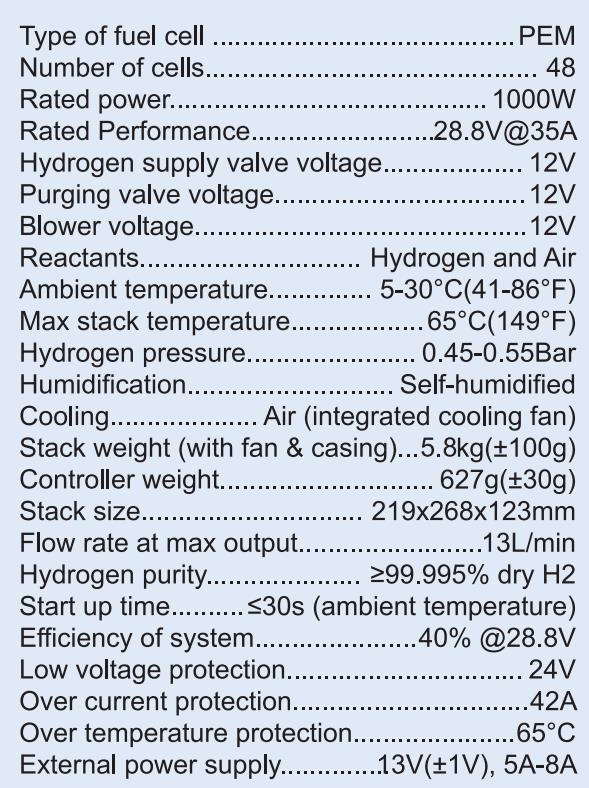
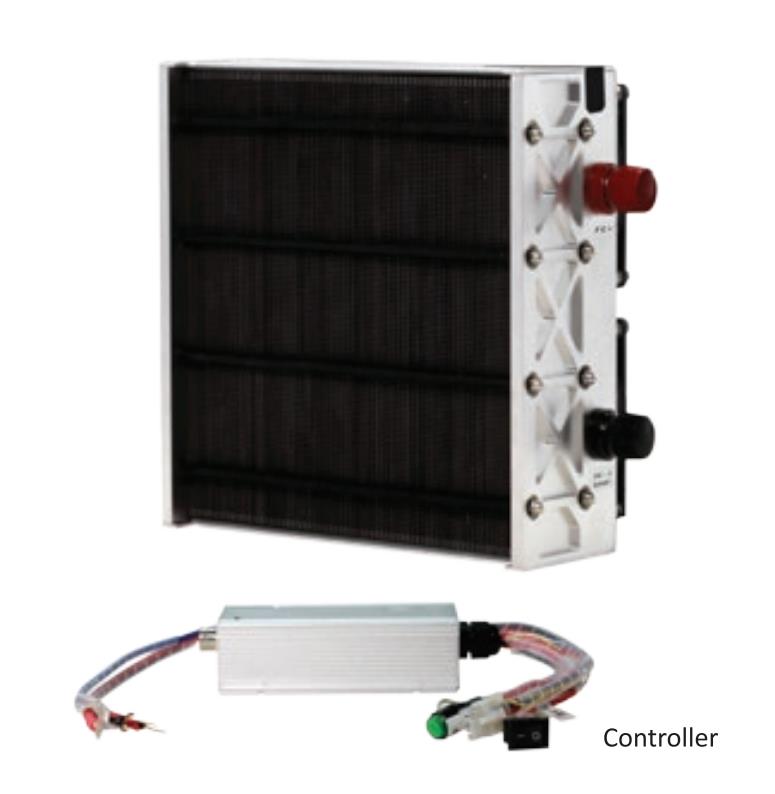
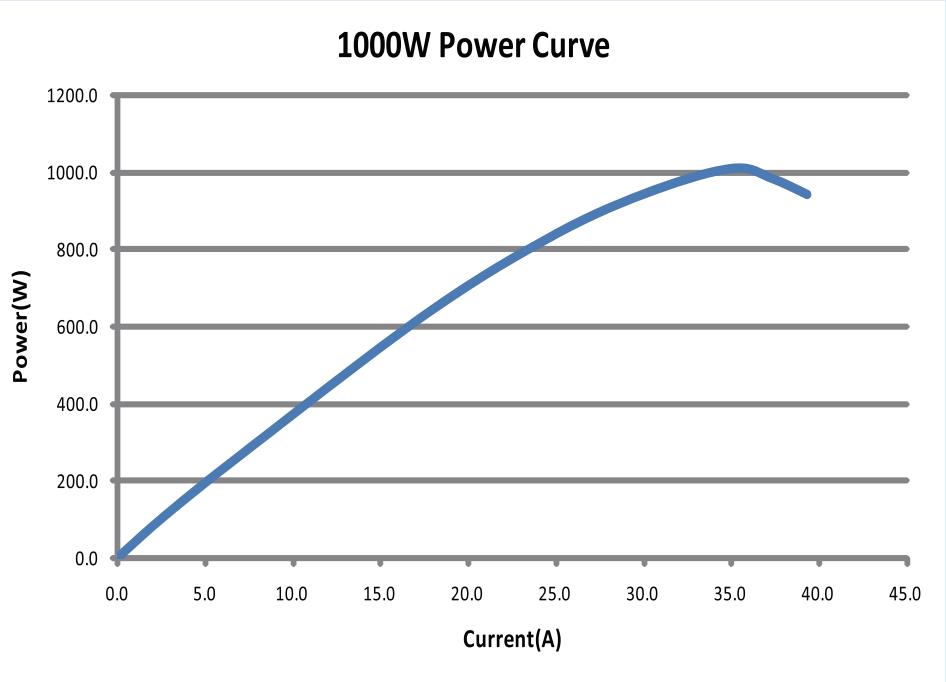
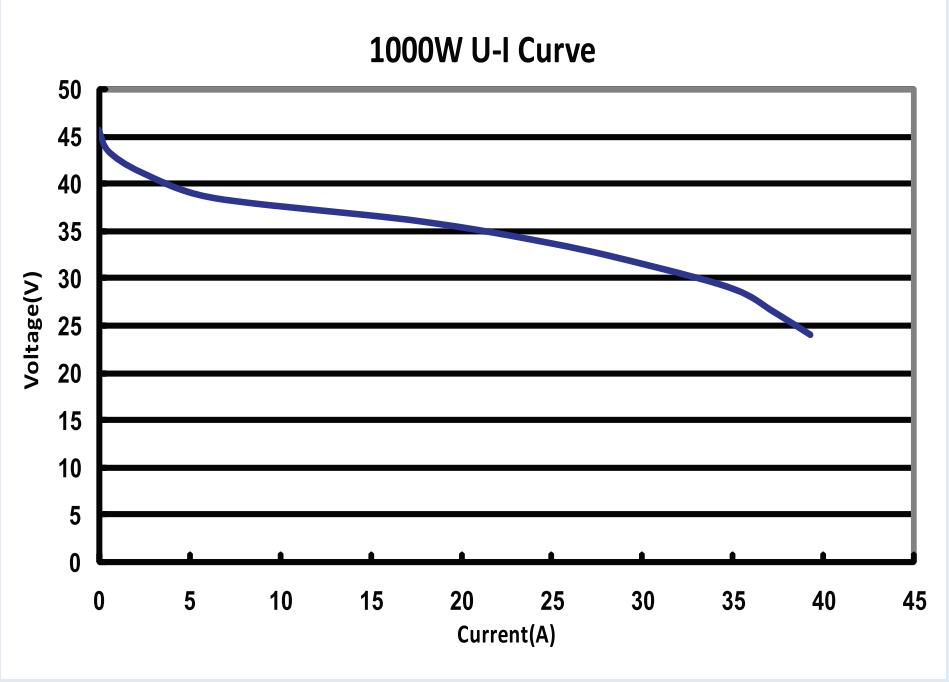
More Introduce
PEM (Proton Exchange Membrane) hydrogen fuel cell is a clean energy device that uses a polymer electrolyte membrane as the electrolyte, hydrogen and oxygen (air) as raw materials. And directly converts chemical energy into electrical energy through electrochemical reactions. It is currently the most widely used fuel cell technology in the fields of transportation and mobile power.
Advantages
Compared with other types of fuel cells such as phosphoric acid fuel cells (PAFC) and solid oxide fuel cells (SOFC). PEM fuel cells have significant advantages:
Quick start: Due to the low operating temperature (about 80 ℃), they require almost no preheating time and can achieve “ready to use”, making them very suitable for vehicles and mobile devices.
High power density: small in size and light in weight, capable of generating high power output in limited space. Suitable for scenarios that require lightweighting (such as cars and drones).
High flexibility: relatively insensitive to fuel sources (pure hydrogen or hydrogen containing gases). And insensitive to the placement direction and position of the device.